VITICULTURE
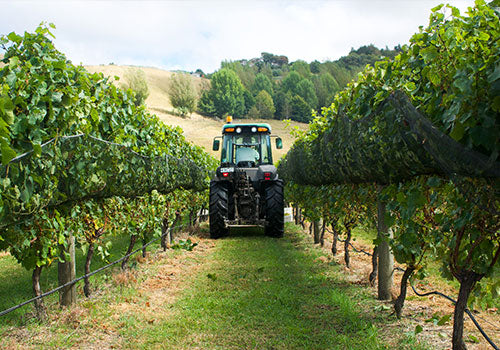
The fruit for this wine was sourced from our two vineyards on the famous
Gimblett Gravels, 69% from our Gimblett Road vineyard and 31% from
our Mere Road vineyard. The Mere Road vineyard is managed
organically and Biogrow certified. Mere Road has, on average, 30cm of
silt over river gravel and is planted with the MS clone of Syrah. Vines
here grow healthy canopies that result in fine tannin structure and great
mid-palate volume. The Gimblett Road vineyard is planted with a
variety of different clones. For this wine, MS, 877 and 174 were selected. Gimblett Road is very stony with very little topsoil. This results in low-
vigour vines that produce structured wines with firm tannins and darkfruit flavours. Mere Rd was harvested on the 11th of April, 2023, at
22.1brix, and Gimblett Rd on the 31st of March, 2023, at 22.7brix.
WINEMAKING
Machine-harvested and fully destemmed fruit was crushed into stainless-
steel fermenters. Fermentations were managed with daily airrummaging. The wines were tasted daily during long post-ferment
macerations and pressed once optimal tannin extraction was achieved.
Hard pressings were excluded. After malolactic fermentation, the wines
were racked into French oak barriques and matured for nine months.
30% of the barrels were new. After a light traditional egg white fining to
soften the palate, the wine was crossflow filtered then bottled.
Reaching New Zealand shores in 1838, pioneering French missionaries founded
a legacy. From their many accomplishments, now interwoven throughout
history, came New Zealand’s first winery, Mission, in 1851.
New Zealand Winegrowing
Central to the success of New Zealand as a world-renowned wine growing region is the temperate maritime climate and the free- draining alluvial soils. The growing season is long, providing perfect conditions for slow
ripening and full flavour development. Cool nights and warm days
retain fruit acidity which lends a freshness and vibrancy, highly
characteristic of New Zealand wine styles.
Sustainability Practices
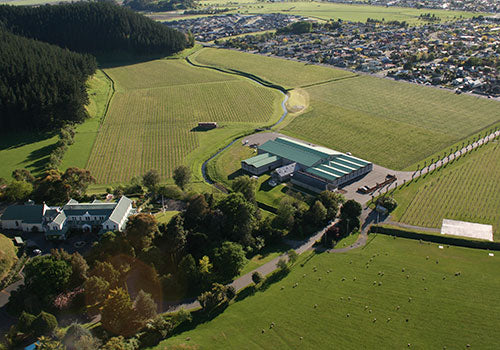
Mission has strong sustainability credentials as a founding member of Sustainable Winegrowing New Zealand and holding ISO 14001 environmental certification since 1998. With organics and organic conversions underway in some vineyards, Mission has an ongoing commitment to sustainable viticulture and winemaking practices. In 2007, the Mission winery underwent a multi-million dollar upgrade designed to maximise energy and water efficiencies. Today, Mission is proud to produce some of New Zealand’s finest wines in the most environmentally friendly manner.