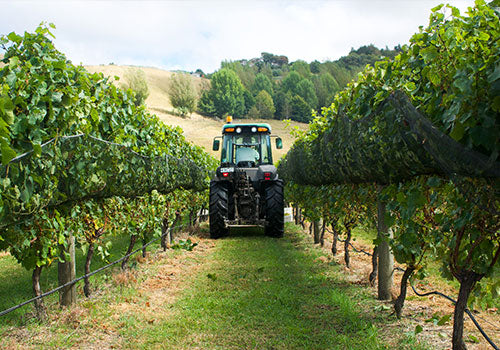
VITICULTURE Soils on these sites are stoney and free draining. The canopies were on cane pruned vines trained using vertical shoot positioning. There was extensive use of leaf plucking around the bunch zone. Sustainable vineyard practices were used from accredited vineyards. The growing season benefited from warmer than average summer. The vineyards yielded a light harvest of clean and healthy berries.
WINEMAKING Fruit was crushed to fermenter and inoculated with yeast fermentation initiated after two days. Pump overs were once daily. Fermentation was approximately 7 days with temperature peaking at 28°C. Post fermentation maceration: 7-20 days with no pump overs. Malolactic fermentation followed pressing. Maturation was in tank to retain primary fruit characters.
Reaching New Zealand shores in 1838, pioneering French missionaries founded a legacy. From their many accomplishments, now interwoven throughout history, came New Zealand’s first winery, Mission, in 1851. Their inspiration, a legacy we continue.
New Zealand Winegrowing
Central to the success of New Zealand as a world-renowned wine growing region is the temperate maritime climate and the free- draining alluvial soils. The growing season is long, providing perfect conditions for slow ripening and full flavour development. Cool nights and warm days retain fruit acidity which lends a freshness and vibrancy, highly characteristic of New Zealand wine styles.
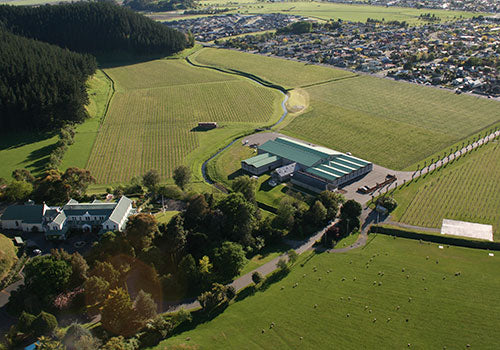
Sustainability Practices Mission has strong sustainability credentials as a founding member of Sustainable Winegrowing New Zealand and holding ISO 14001 environmental certification since 1998. With organics and organic conversions underway in some vineyards, Mission has an ongoing commitment to sustainable viticulture and winemaking practices. In 2007, the Mission winery underwent a multi-million dollar upgrade designed to maximise energy and water efficiencies. Today, Mission is proud to produce some of New Zealand’s finest wines in the most environmentally friendly manner.
The wine has a bright and vibrant colour. The nose has aromas of
dark plum with sweet spice and savoury notes. The palate is
medium bodied with rich and intense fruit showing in the mid
palate. The wine finishes with soft fine tannins and lingering fruit.
Cellar potential
Enjoy now or in the next five years.
Alcohol percentage
13.0%
Residual sugar
Dry
Acidity
5.2g/L
REGION
Hawke’s Bay
Located on the east coast of the North Island, Hawke's Bay wine region is one of the warmest winegrowing regions in New Zealand. The long and warm growing season provides for excellent ripening conditions and full flavour development.
New Zealand Winegrowing
Central to the success of New Zealand as a world-renowned wine growing region is the temperate maritime climate and the free-draining alluvial soils.
The growing season is long, providing perfect conditions for slow ripening and full flavour development. Cool nights and warm days retain fruit acidity which lends a freshness and vibrancy, highly characteristic of New Zealand wine styles.
Soils
Gravel beds, free-draining alluvial soils and stony terraces.
Growing season
Warm and dry delivering intense and characterful wines.